
What do you want?
Learn how to use apps to listen to your baby's heartbeat and more!
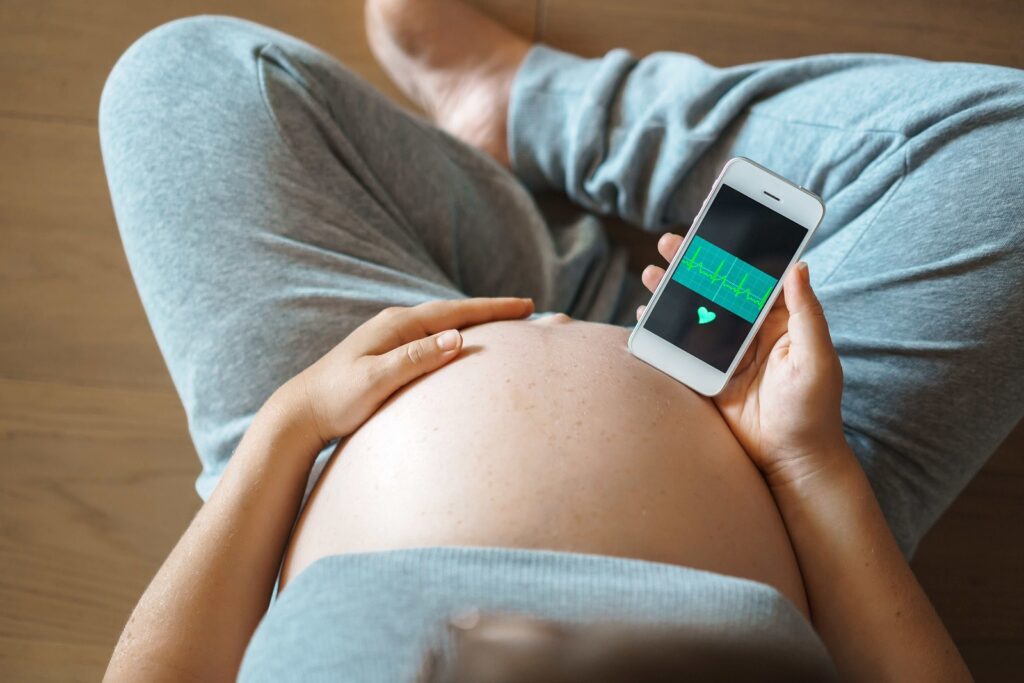
Feeling the heartbeat of someone who hasn't even arrived in the world yet is no longer exclusive to the doctor's office.
With a smartphone in hand and the right app, mothers, fathers, and family members can transform any corner of the house into a cozy listening space.
Simply place the microphone against your belly, follow the on-screen instructions, and enjoy every beat that comes through your headphones or speaker.
Besides satisfying curiosity between prenatal appointments, hearing the baby's heartbeat strengthens the family's bond with the baby and brings that extra dose of peace of mind.
With each recording saved, an audio diary is created that tracks the pregnancy from the first touch to the last week.
Benefits of the baby heartbeat listening app
Fetal monitoring apps deliver clear audio of the heartbeat, allow you to record and save the best recordings, and even export everything in just a few taps to WhatsApp, email, or social media.
Since they only use the phone's hardware, they eliminate the need for external Dopplers or special headphones, speeding up the process: in less than two minutes you can install, position the phone, and record the sound.
Some apps add timelines, notes, and even graphs that show the evolution of heart rate, creating a digital archive that can follow the child throughout their life.
Is the baby heartbeat listening app safe?
The apps available on the Google Play Store and the App Store undergo security checks that verify microphone permissions, data handling, and stability.
Although they do not replace clinical examinations, they use sound levels considered safe for pregnant women and do not emit radiation.
Ideally, you should follow the manufacturer's recommendations, avoid very high volumes, and continue attending routine check-ups.
Frequently Asked Questions
No need. The microphone sensor that comes with the smartphone does the job. Some models offer better performance when the user removes the phone case or puts the phone in airplane mode to reduce interference, but no specific accessory is required.
Yes, you can. After saving the file in the app, simply tap "export" and choose the destination: WhatsApp, Telegram, Drive, or any social network. There are no extra costs or sending limitations, and the files are saved in your gallery in case you want to edit or add captions before publishing.
These apps capture raw audio through the microphone, use noise reduction algorithms to filter out ambient sounds, and amplify frequencies typical of the fetal heart rate — generally between 110 and 160 bpm.
After installation, simply place the microphone on your belly (preferably from the 16th week onwards, when the heartbeats become clearer), wait a few seconds and follow the graph in real time.
Interactive tutorials show the best listening spots and warn if the environment is too noisy.
Before you test the apps…